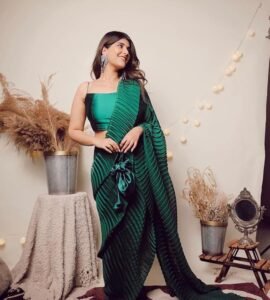
The Afghani salwar suit has become one of the most stylish and comfortable ethnic outfits for women in recent years. Known for its loose silhouette, rich embroidery, and cultural heritage, this attire beautifully blends traditional craftsmanship with modern fashion sensibilities.
Fashion trends constantly evolve, but some garments stand out because they combine history, comfort, and elegance. The Afghani salwar suit is one such outfit. Its distinctive style has gained popularity across South Asia and beyond, becoming a favorite choice for festivals, weddings, casual outings, and cultural events.
Inspired by the cultural traditions of Afghanistan, the Afghani salwar suit reflects centuries of artistic influence, textile craftsmanship, and cross-cultural exchange. Today, designers have reinvented this traditional attire to suit contemporary tastes, making it a versatile addition to modern wardrobes.
In this comprehensive guide, we explore the history, design elements, modern trends, styling ideas, and cultural significance of the Afghani salwar suit for women.
What Is an Afghani Salwar Suit?
An Afghani salwar suit is a traditional ethnic outfit consisting of three main elements:
- Kameez (tunic)
- Afghani salwar (wide pleated trousers)
- Dupatta (scarf or drape)
What makes the Afghani salwar unique is its loose, pleated, and voluminous design, which provides both comfort and elegance.
Unlike regular salwars, Afghani salwars feature:
- Wider pleats
- Baggy, draped structure
- Tapered ankle fit
- Decorative embroidery or prints
This outfit is especially popular because it offers freedom of movement while maintaining a fashionable ethnic appearance.
1. The Roots of Afghani Salwar Suit
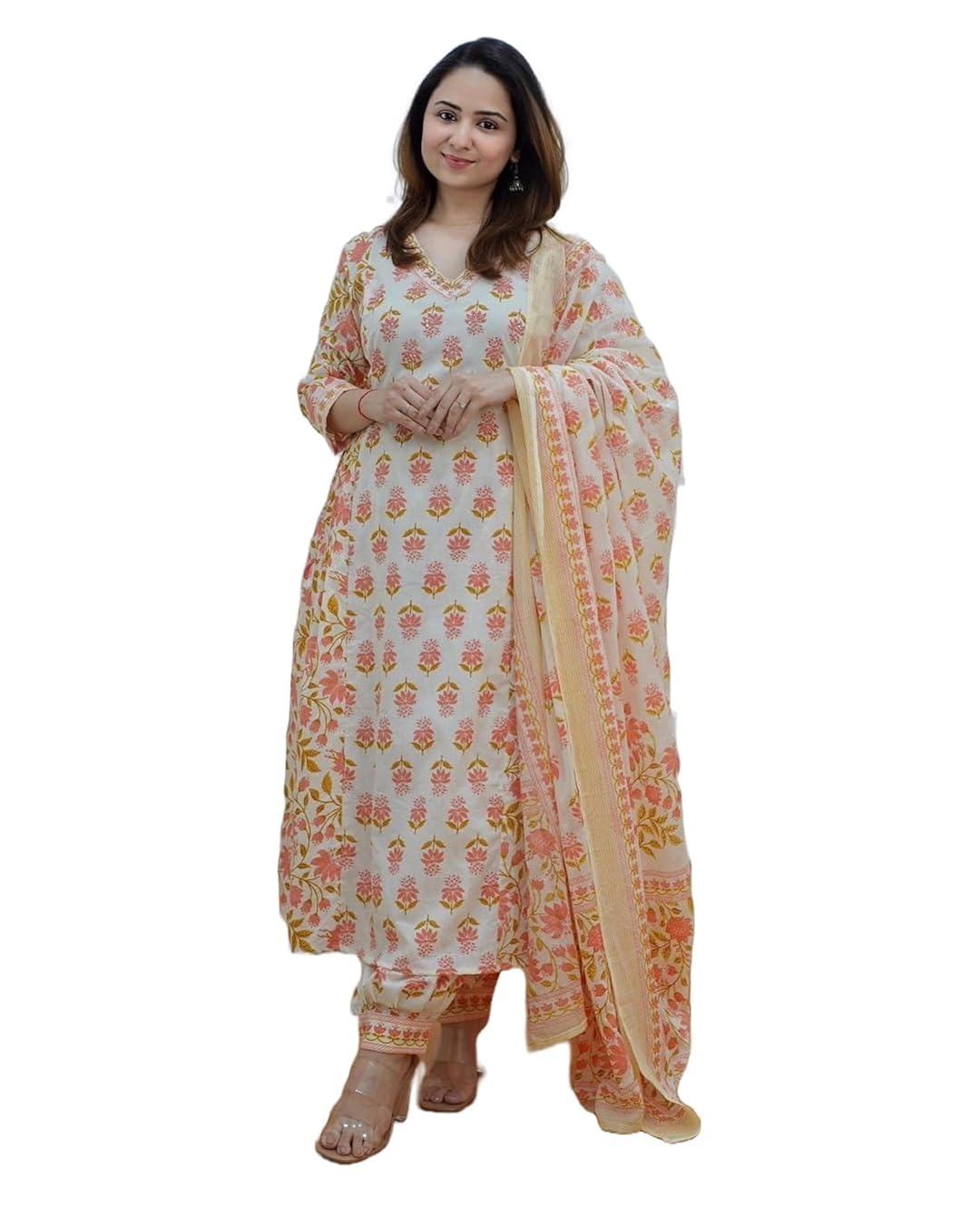
The Afghani salwar suit draws inspiration from the rich cultural heritage of Afghanistan, a country known for its diverse ethnic groups and vibrant history. The attire embodies the essence of Afghan culture, reflecting the intricate artistry that has been passed down through generations.
1.1 Historical Significance
The roots of the Afghani salwar suit can be traced back to the ancient Silk Road, where various civilizations converged, sharing their craftsmanship and aesthetics. The attire’s design is a tribute to the amalgamation of Persian, Central Asian, and Indian influences.
1.2 Traditional Elements
Characterized by its loose-fitting silhouette, the Afghani salwar suit features a billowing kameez (tunic) paired with a wide, pleated salwar (trousers). The kameez is often adorned with intricate embroidery, mirror work, and thread embellishments, reflecting the cultural motifs of Afghanistan.
2. Contemporary Resurgence

In recent years, the Afghani salwar suit has experienced a resurgence in popularity, both in South Asia and globally. Fashion designers have ingeniously incorporated modern elements into this traditional attire, making it a versatile choice for various occasions.
2.1 Fusion of Traditions and Trends
Contemporary designs seamlessly blend traditional Afghan embroidery with modern cuts and fabrics. This fusion appeals to fashion-forward individuals who appreciate the allure of cultural nostalgia combined with a modern touch.
2.2 Celebrity Endorsement
Celebrities and fashion influencers have played a pivotal role in popularizing the Afghani salwar suit. Their graceful appearances at red carpet events and social gatherings have contributed to its status as a must-have ensemble.
3. Styling the Afghani Salwar Suit
The Afghani salwar suit offers endless possibilities for styling, making it a versatile choice for various occasions. Whether it’s a formal event or a casual outing, this attire can be adapted to suit different preferences.
3.1 Casual Chic
For a casual look, pair the Afghani salwar with a shorter kameez and minimal accessories. This creates an effortless yet stylish appearance that’s perfect for daytime outings.
3.2 Elegantly Ethnic
To elevate your style for formal occasions, opt for a heavily embroidered kameez with intricate detailing. Accessorize with statement jewelry pieces and complete the look with elegant heels.
4. The Mesmerizing Aura
The Afghani salwar suit holds a captivating aura that transcends time and trends. Its blend of history, craftsmanship, and contemporary appeal makes it more than just clothing—it’s a piece of art.
How to Style an Afghani Salwar Suit
The versatility of the Afghani salwar suit makes it easy to style for different occasions.
Casual Daytime Look
For a relaxed daytime outfit:
- Choose cotton or rayon fabric
- Pair with minimal accessories
- Wear flat sandals or juttis
This creates a comfortable yet fashionable appearance.
Festive Ethnic Look
For festivals or celebrations:
- Select embroidered or mirror-work suits
- Add statement jewelry
- Style with embellished dupattas
This enhances the ethnic charm of the outfit.
Wedding Guest Style
Afghani suits can also work beautifully for wedding functions.
Styling ideas include:
- Silk or velvet fabrics
- Heavy embroidery
- Statement earrings and bangles
These elements create a glamorous look suitable for special occasions.
Why Afghani Salwar Suits Are Trending
The rising popularity of Afghani salwar suits can be attributed to several factors.
Comfort and Style
The relaxed fit makes the outfit comfortable while still looking fashionable.
Cultural Appeal
Fashion enthusiasts appreciate the heritage and craftsmanship behind the design.
Versatility
Afghani suits can be worn for:
- Festivals
- Casual outings
- Cultural events
- Wedding functions
Global Fashion Influence
Ethnic fusion fashion has become a major trend worldwide, making traditional outfits more relevant than ever.
Choosing the Perfect Afghani Salwar Suit
When selecting an Afghani suit, consider these factors.
Fabric
Choose breathable fabrics like cotton for everyday wear and silk or velvet for formal events.
Colors
Trending color palettes include:
- Mustard yellow
- Emerald green
- Royal blue
- Pastel pink
- Ivory
Embroidery
Minimal embroidery works best for casual wear, while heavy embellishments suit festive occasions.
The Cultural Significance of Ethnic Fashion
Traditional clothing such as the Afghani salwar suit represents more than just fashion. It reflects cultural heritage, artistic traditions, and historical identity.
Many designers today are working to preserve traditional textile techniques while adapting them for modern fashion markets.
By wearing ethnic outfits, people celebrate the craftsmanship and culture that define their identity.
Conclusion
The Afghani salwar suit for women beautifully represents the fusion of tradition and modern fashion. Its flowing silhouette, intricate embroidery, and cultural heritage make it a unique addition to the world of ethnic wear.
From its historical roots along the Silk Road to its modern revival in global fashion, the Afghani salwar suit continues to captivate style enthusiasts.
Whether worn for casual outings, festive celebrations, or cultural events, this outfit remains a timeless symbol of elegance, comfort, and artistic craftsmanship.
For anyone seeking a blend of heritage fashion and contemporary style, the Afghani salwar suit is truly a wardrobe essential.